Developer Ray Washburne Interviews Dallas Architecture Critic Mark Lamster
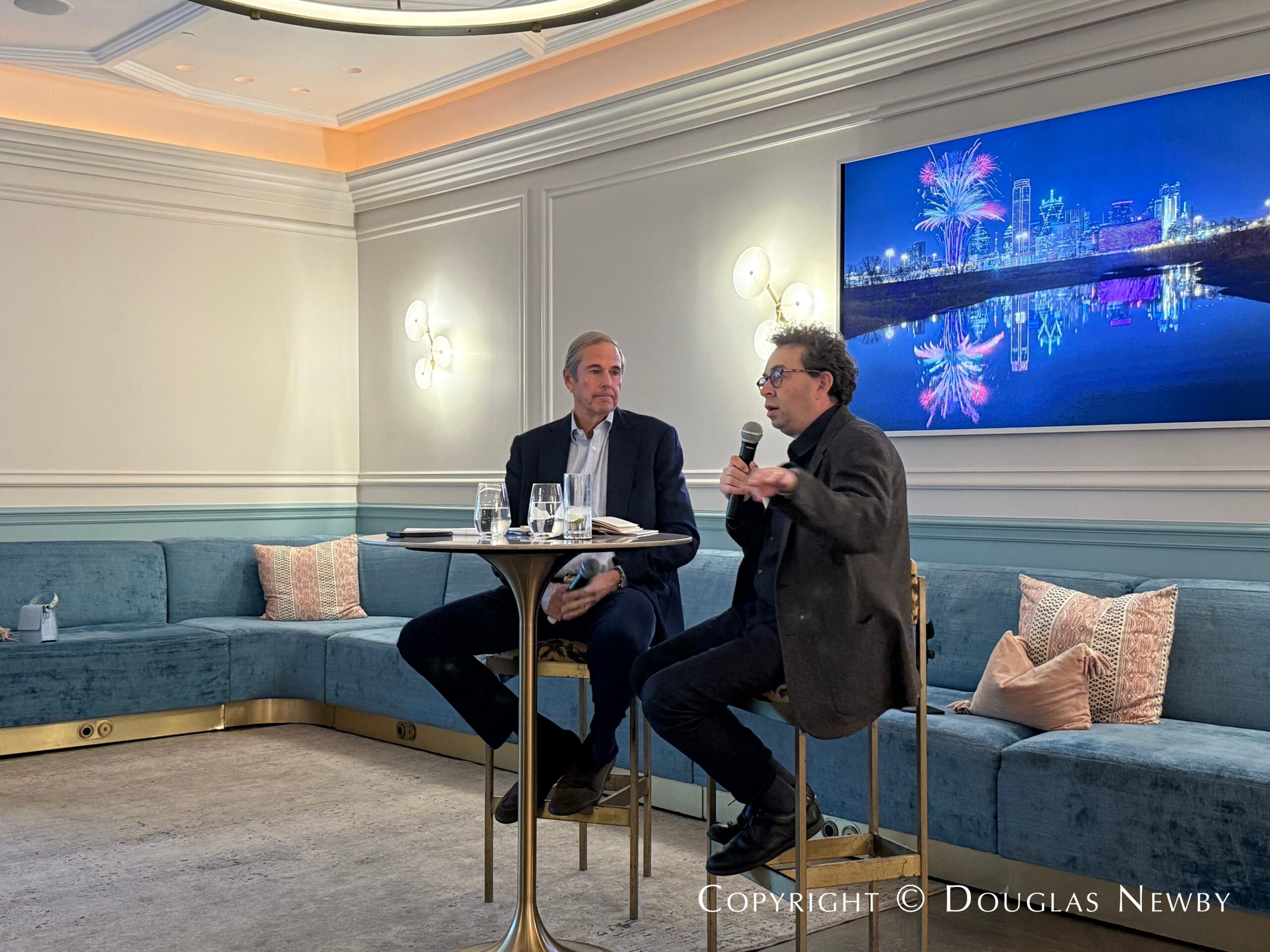
Highland Park Village owner and developer Ray Washburne interviewed Dallas Morning News architecture critic Mark Lamster about his new book, Welcome to Paradox City, and Mark’s views about Dallas through the lens of architecture and the built environment.
One of my favorite conversations ever about Dallas took place at Park House in Highland Park Village when Highland Park Village owner and developer Ray Washburne interviewed Dallas Morning News architecture critic Mark Lamster about his new book, Welcome to Paradox City. What made it so informative and enjoyable was the balance of power between two people whose influence and knowledge of Dallas come from very different perspectives. Neither felt compelled to accept the other’s view, yet they often agreed for different reasons and disagreed with respect and humor. Mark brought to light historical and architectural details I had been unaware of, and Ray contributed anecdotes and specifics about the urban grid and planning that I had not considered.
Ray Washburne is a historian in his own right who grew up in Dallas and has an intimate knowledge of many of the buildings that Mark Lamster has researched since he began writing about Dallas for the Dallas Morning News. As the owner of many successful restaurants and retail shopping malls, Ray also knows city planning and urban design. Mark Lamster, originally from New York, brings an outsider’s perspective to a city he has become quite fond of.
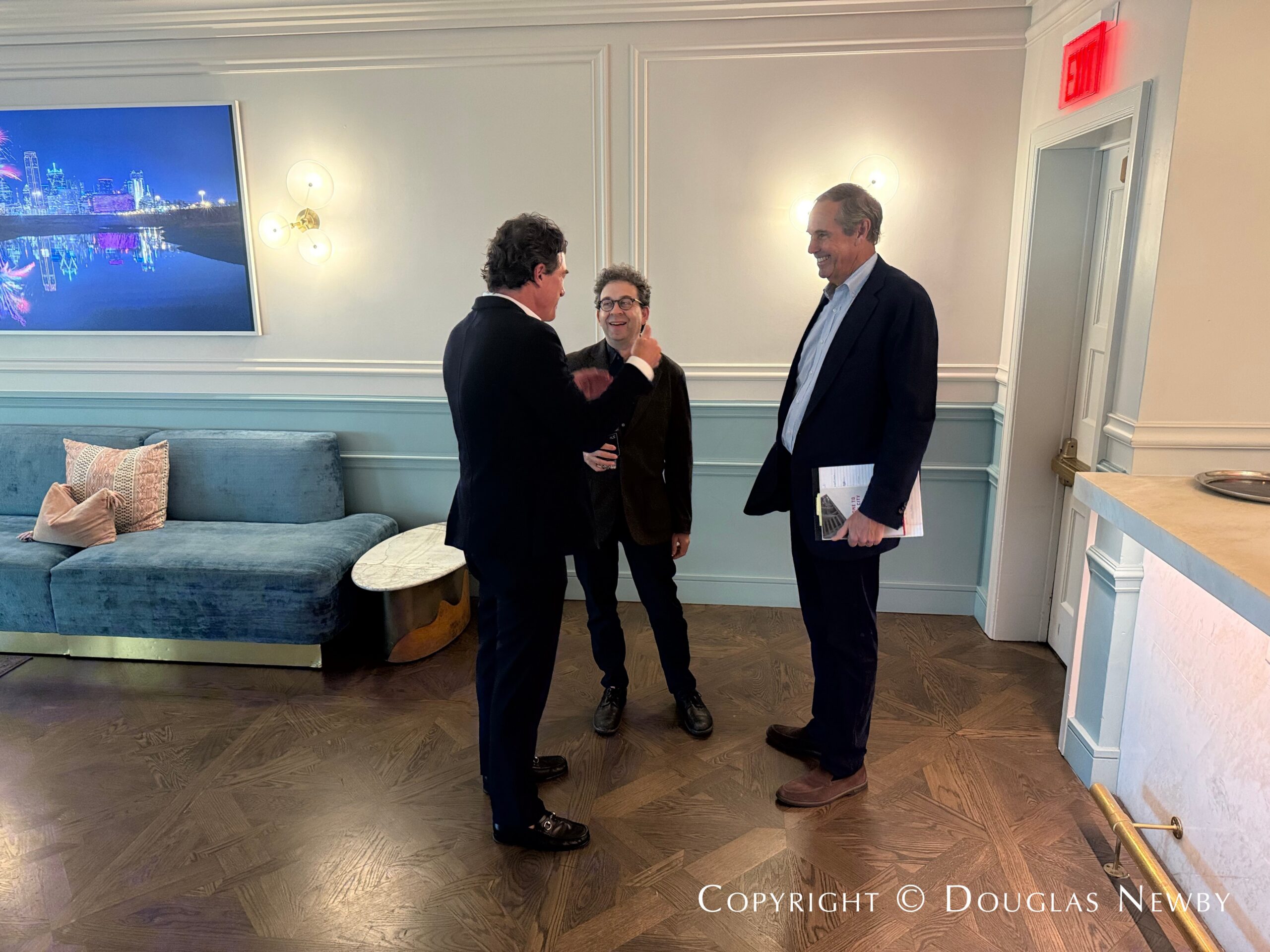
Founding co-owner of Park House Brady Woods chats with Highland Park Village owner Ray Washburne and Mark Lamster before Ray interviews Mark about his new book, Welcome to Paradox City. The best thing about Park House, a private club in Highland Park Village, is that its programming often includes delightful conversations about architecture, Dallas or preservation.
Ray mentioned that he read Mark’s book twice, and throughout the interview he was generous and humorous in his questions and responses. While they might come from opposite ends of a cultural viewpoint, it was surprising how many things they agreed on, but for different reasons. For instance, both of them thought the Philip Johnson-designed Kennedy Memorial was not a successful project. Ray then, with a smile, asked Mark, “Do you think we should tear it down?” Mark, the author of a book on Philip Johnson, was quick to smile back and say no.
The Republic Bank building was also a favorite building of both of them. Mark had lived in a converted apartment in the Republic Bank building when he first came to Dallas, and Ray had, as a young boy, often visited his father, who worked at the bank. They both had great admiration for Fred Florence, the bank president who initiated the building project. Mark’s academic research supplemented the Dallas stories Ray provided.
Ray Washburne, a downtown property owner whose holdings include the original Dallas Morning News site, and architecture critic Mark Lamster are well known to have opposite views on whether City Hall should be torn down. Rather than making that debate the focus of the conversation, Ray limited his questions about City Hall to City Hall Plaza, widely criticized as a sunbaked, empty space with little appeal. Mark agreed it was an unpleasant space, but he also cited elaborate plans to improve the plaza that had been drawn up 30 years ago and never acted upon.
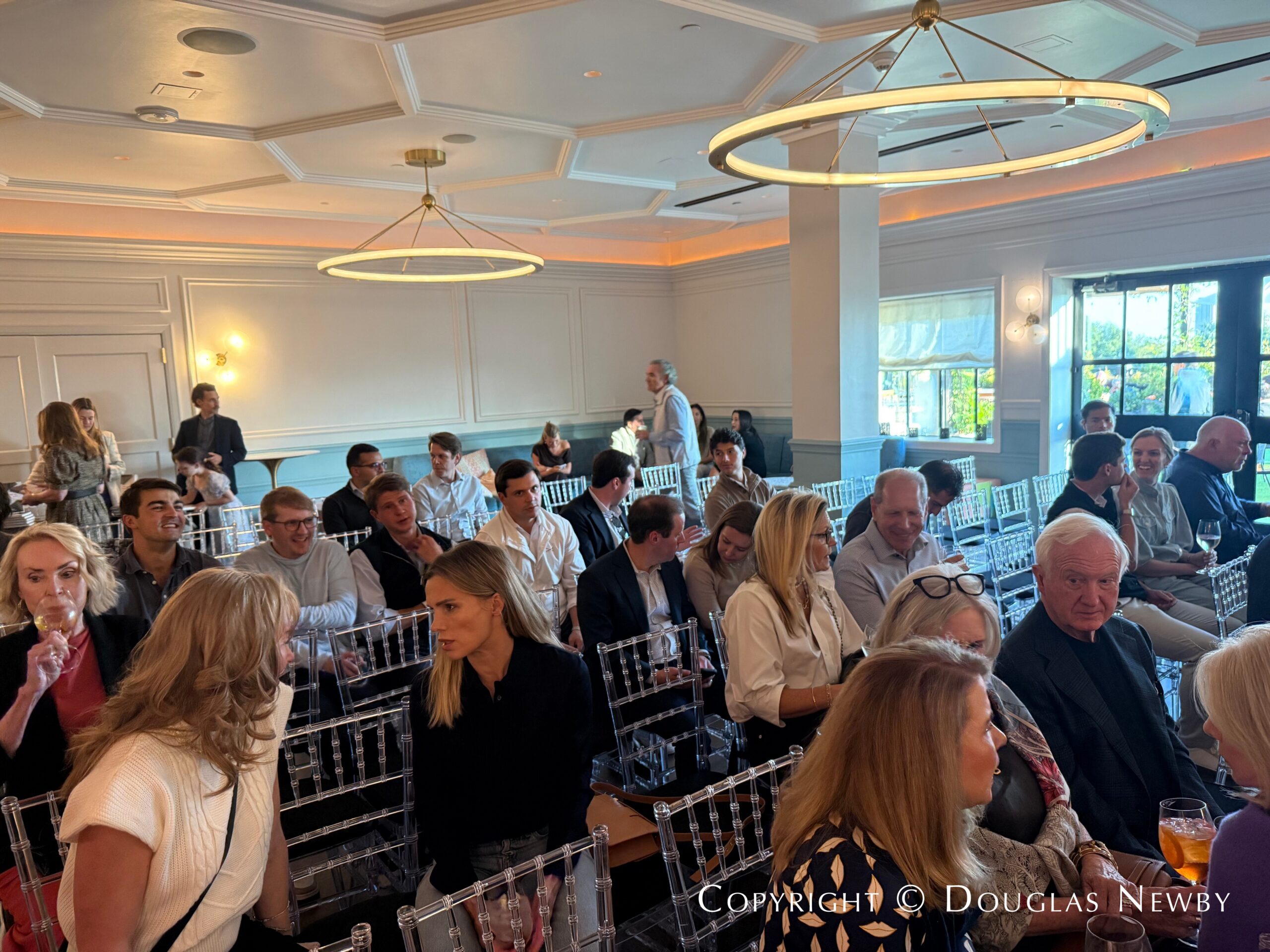
Before Highland Park Village owner Ray Washburne interviewed Dallas Morning News architecture critic Mark Lamster about his new book, Welcome to Paradox City, those attending began to take their seats in a lovely room. Everyone enjoyed the formal conversation between Ray Washburne and Mark Lamster and the informal conversations between those attending.
The audience, however, wanted to hear about City Hall itself and whether it should be torn down. Ray, without offering his own opinion, gave the last word to Mark, allowing him to explain why he considered demolishing the building one of the worst things Dallas could do.
Ray Washburne is an authoritative voice on Dallas’ economic development, and Mark Lamster is an authoritative voice on its architectural development. Knowledge, congeniality and respect kept both powers in check. Each had to be precise and thoughtful about what they said—neither could rely on easy pronouncements. Mark acknowledged Ray’s familiarity with the details of his book, noting with humor that Ray had read it more recently than he had.
The result was a cordial conversation that provided an informative, fun view of Dallas, its history and its future—conversation at its best.